
The historical evolution of casinos tracing the journey from ancient gaming to modern-day entertainment
The Origins of Gambling
The history of gambling can be traced back thousands of years to ancient civilizations. The earliest forms of gambling were found in Mesopotamia, where dice made from animal bones were used in games of chance. These games were often intertwined with religious rituals and community events, serving as a source of entertainment and social interaction. Ancient Chinese and Egyptian cultures also incorporated games of chance into their societies, with rudimentary versions of games that resemble modern-day gambling. Additionally, for those interested in online gaming, there are many resources to find the best slots to play online for real money.
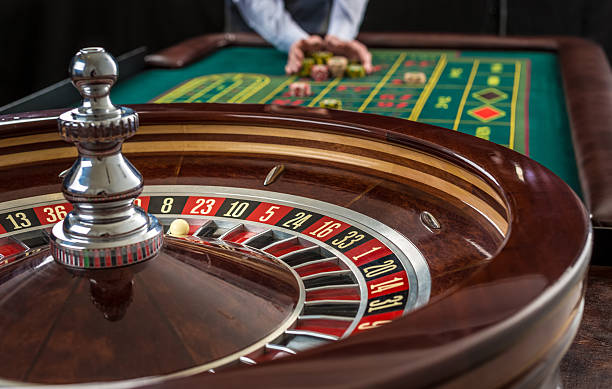
The Romans took gambling to new heights, introducing it to their public entertainment venues. Betting on chariot races, gladiator matches, and other events became commonplace. This widespread acceptance of gambling laid the foundation for the future development of casinos as formal establishments dedicated to gaming.
The Rise of Formal Casinos
The first true casino, known as the Ridotto, opened its doors in Venice in 1638. This establishment was created to provide regulated gambling and aimed to curb illegal betting activities. The Ridotto featured various games, including card games and dice games, and became a popular destination for the Venetian elite. The concept of a casino quickly spread across Europe, leading to the establishment of luxurious gambling halls in cities such as Monte Carlo and Baden-Baden during the 19th century.
These venues not only offered gambling but also served as social hubs where people gathered to enjoy music, dancing, and fine dining. The evolution of casinos into opulent destinations marked a significant shift in the perception of gambling, transforming it into a reputable form of entertainment rather than a mere vice.
The American Casino Boom
The history of casinos took a dramatic turn in the United States during the early 20th century. Nevada legalized gambling in 1931, paving the way for Las Vegas to emerge as the premier gambling destination. The opening of iconic resorts, such as the Flamingo and the Sands, attracted visitors from around the world, solidifying Las Vegas’s reputation as the “Gambling Capital of the World.” The city’s transformation from a dusty desert town into a glittering metropolis was fueled by the allure of the casino experience.
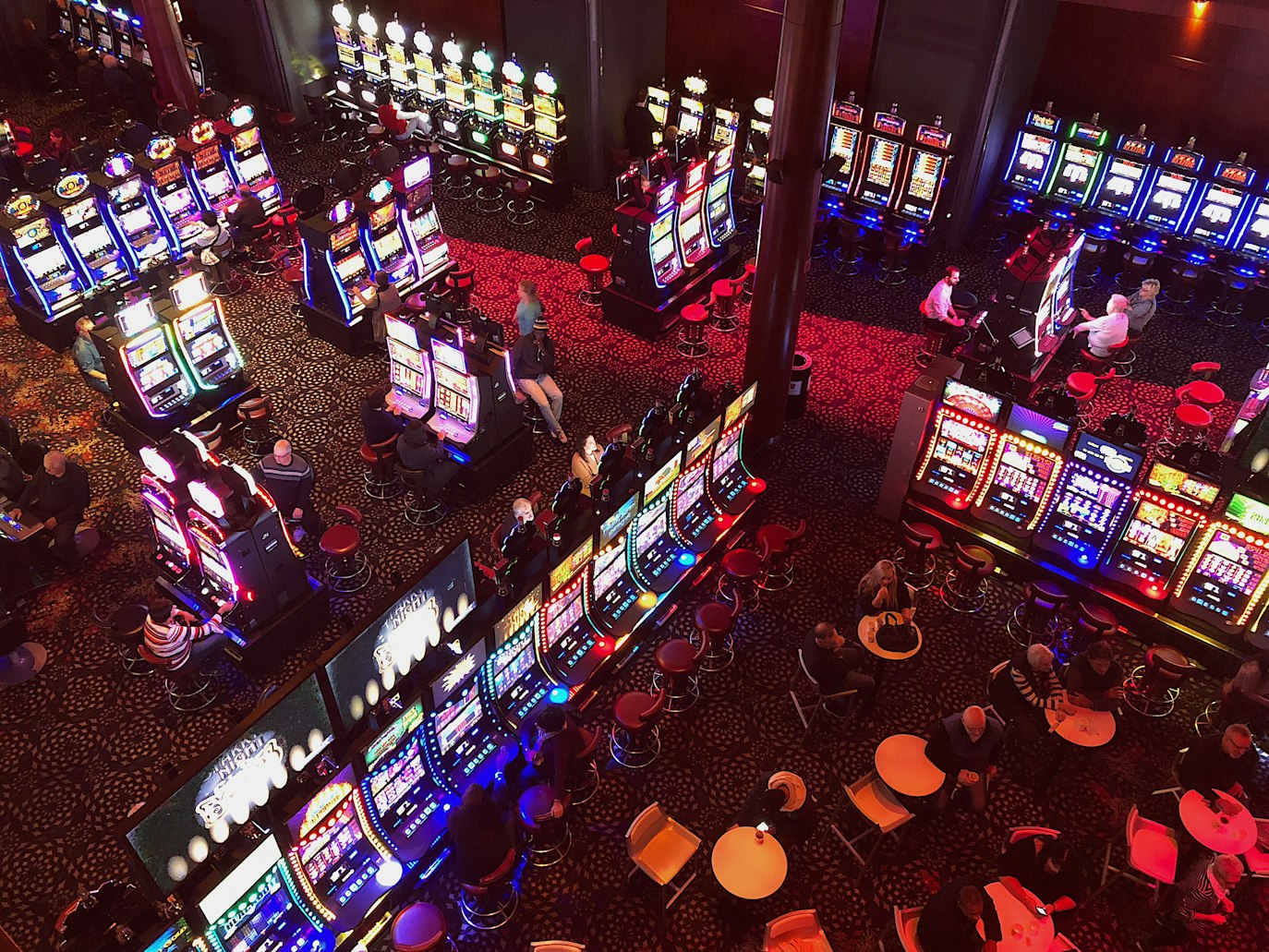
As the popularity of casinos grew, so did the variety of games and entertainment options available. Slot machines were introduced, and the gaming floor expanded to accommodate a wider range of tastes. The concept of combining gambling with luxury accommodations, dining, and shows became the hallmark of American casinos, captivating millions of visitors each year.
The Globalization of Gambling
In recent decades, the casino industry has experienced unprecedented globalization. Countries around the world began to recognize the economic potential of legalized gambling. This led to the emergence of prominent gaming destinations such as Macau, which surpassed Las Vegas in revenue, and Singapore, which became a key player in the Asian gaming market. These destinations have created a blend of traditional and modern gambling experiences, attracting diverse audiences.
Technological advancements have also played a pivotal role in shaping the modern casino landscape. Online gambling and mobile gaming have surged in popularity, allowing players to enjoy their favorite games from the comfort of their homes. The integration of technology in casinos has transformed the gambling experience, providing innovative features and interactive gameplay that appeal to younger generations.

The Modern Casino Experience
Today, casinos are more than just places to gamble; they are entertainment complexes that cater to a wide range of interests. Many modern casinos offer luxury accommodations, world-class dining, live entertainment, and shopping experiences. They have evolved into multifaceted destinations that attract visitors for reasons beyond just gaming.
As the casino industry continues to adapt to changing consumer preferences and technological advancements, the future looks promising. Online platforms, virtual reality experiences, and mobile apps will likely further reshape how people engage with gambling. The evolution of casinos reflects broader societal trends and technological innovations, making them a fascinating subject in the realm of entertainment history.




:max_bytes(150000):strip_icc()/GettyImages-560231979-d28ad2e66dcf4cae9fc319f46e606c21.jpg)